PATAGONIA
The Patagonian forests are home to unique ecosystems and landscapes.
But wildfires and human activity have degraded thousands of hectares of native forest.
One of the planet’s last wild places.


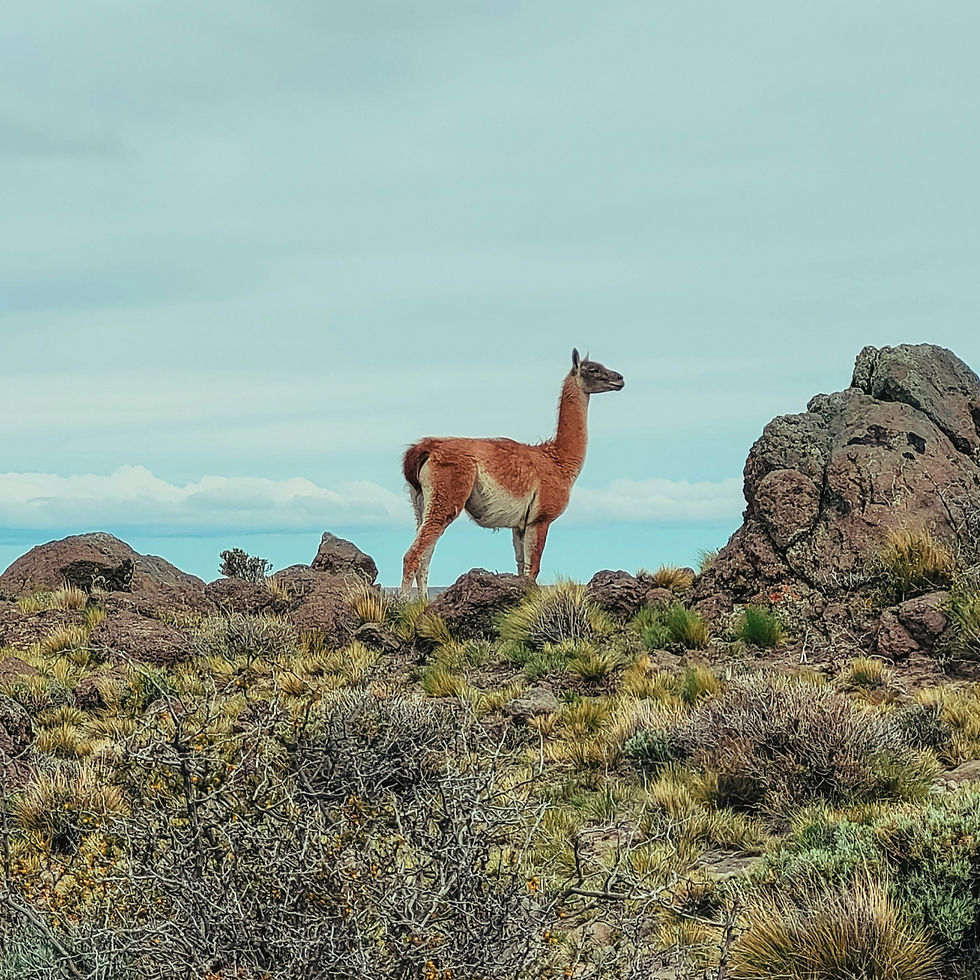
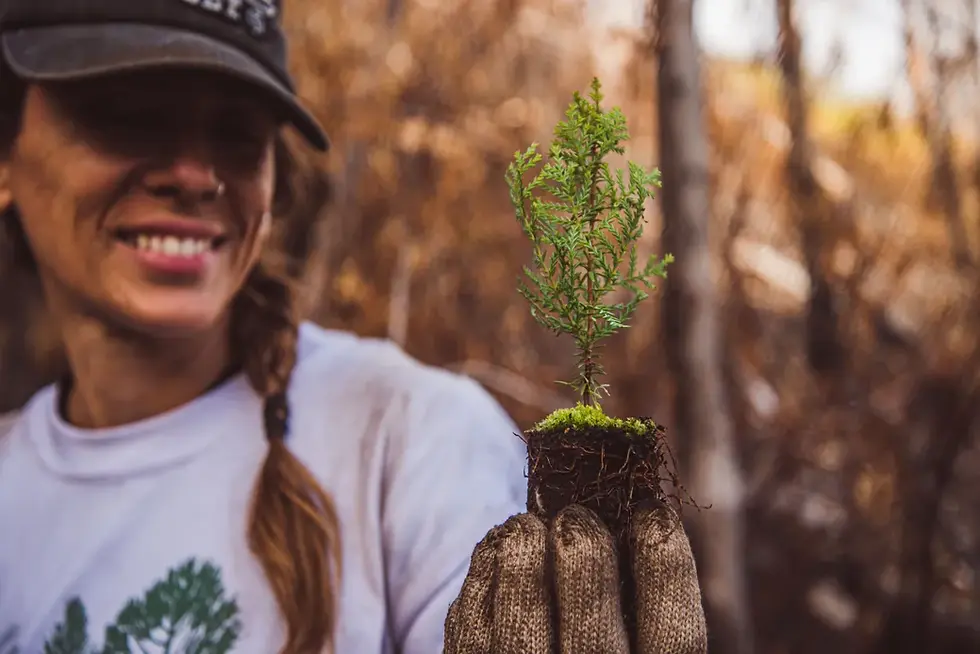
Patagonia is home to some of Argentina’s most extraordinary native forests.
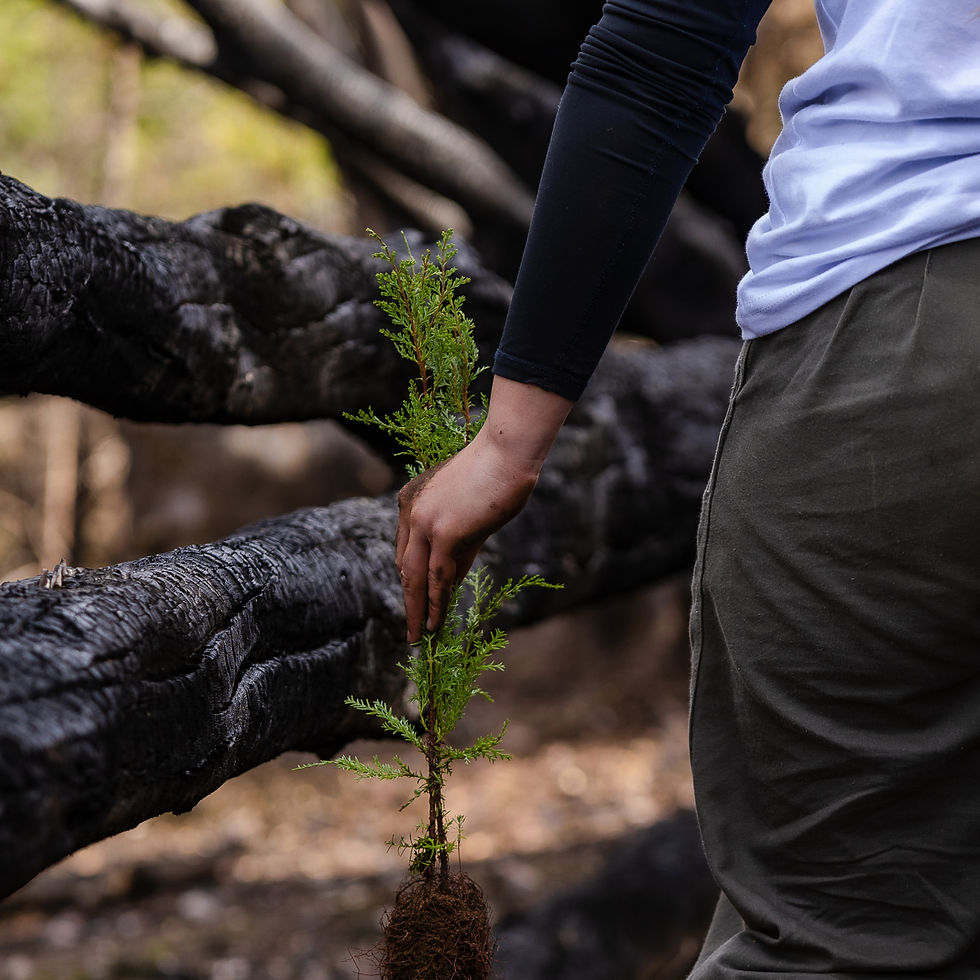
Wildfires have devastated vast areas of this ecosystem, leaving landscapes that can take decades to recover naturally.
Restoration gives the forest a chance to begin again.
A forest that needs to grow back

Without restoration, part of the forest we know could disappear.
More than 200,000 hectares of forest have burned in the province of Chubut since 2015 alone.
Partnerships
Undersecretariat of Forests and Wildfires of the Province of Chubut.
Community
We work to raise awareness and engage local communities.
Restoration
We actively restore areas
affected by wildfires.
Trees
We grow native trees ready
to return to the forest.
Semillas
We collect and preserve seeds from native species.
30 years
A forest does not recover overnight.
WE WORK ALONG

Restoration is a long-term commitment
Trabajamos junto a la Subsecretaría de Bosques e Incendios de Chubut en la restauración de las grandes áreas afectadas por el fuego.

To restore a forest,
you have to plant the forest.
That’s why we plant native species.
These species have evolved over thousands of years alongside Patagonia’s climate, soil, and other forms of life.
These species have evolved over thousands of years alongside Patagonia’s climate, soil, and other forms of life.
SPECIES RETURNING TO THE FOREST
Mountain cypress
Protects the soil and regulates water.
Conservation status: Near Threatened · IUCN
A native conifer that can grow in shallow soils, on steep slopes, and rocky peaks.
It plays a key role in protecting the soil, regulating the water cycle, and shaping the landscape of mountain communities.


SPECIES RETURNING TO THE FOREST
Coihue
A pioneer species in forest recovery.
Conservation status: Least Concern · IUCN
Coihue colonizes areas near waterways and plays a key role in the ecosystem’s natural succession.
It is one of the species helping the forest begin again.